




Beyond the classroom: Why are experiences also an essential part of learning?
Nội dung bài viết
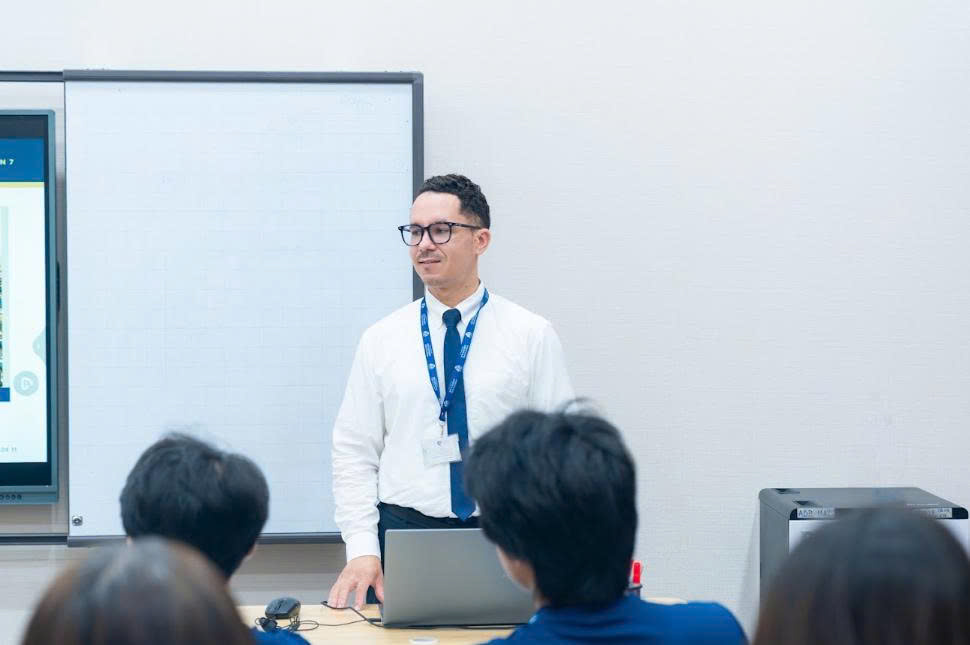
Discover the insightful perspectives of Mr. Sam Jamieson, Deputy Academic Director at PennSchool, on the role of experiential learning in 21st-century education.
We are living in an era when access to knowledge has never been easier. Thousands of years ago, information was a privilege reserved for a select few. Today, however, anyone can access humanity’s vast wealth of knowledge through a wide range of technological tools. This technological boom raises an important question for modern education: What is the true purpose of schools today? How can schools provide lasting value to students while equipping them with a strong foundation for success in an ever-changing world?
In response to the challenges and opportunities of this new era, PennSchool believes that delivering theoretical knowledge alone is not enough. Experiential learning is the key to unlocking students’ unlimited potential. Emphasizing the importance of this approach, Mr. Sam shares: “Schools need to move beyond providing students with information and answers. We must create purposeful experiences that help our students deepen their understanding and ask thoughtful questions. These experiences create skills for life.”
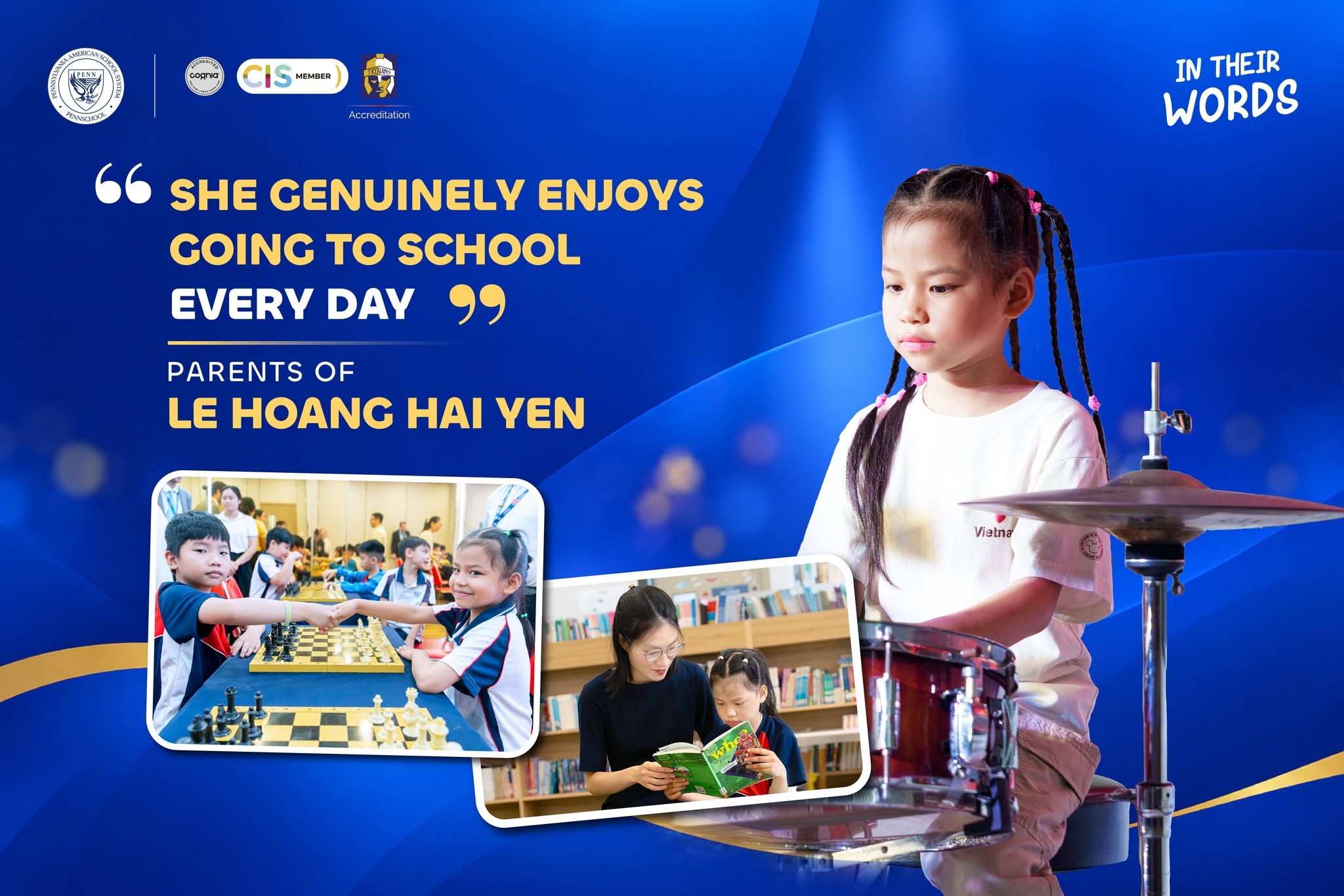
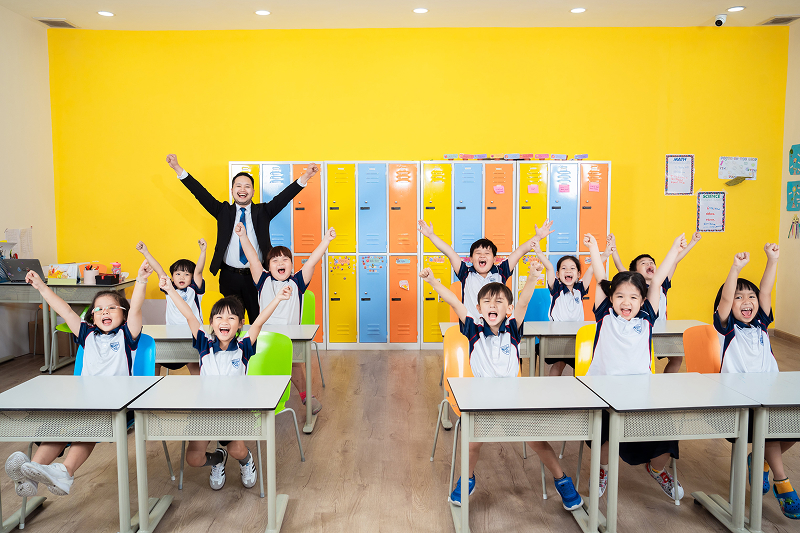
At PennSchool, the spirit of “learning through experience” goes beyond teaching knowledge through textbooks and is brought to life through a diverse learning ecosystem. All educational activities are designed to connect classroom theory with hands-on experiences, real-world projects, and academic competitions. This approach helps students develop their thinking skills while discovering their own interests and strengths. Elaborating on how this approach is put into practice, Mr. Sam further explains: “At PennSchool, this looks like engaging students in projects that develop collaboration, perseverance, time management, and problem-solving skills while helping them to discover and develop new interests.
It looks like putting down the calculators in math class and investigating patterns or solving practical problems to better understand the concepts and relationships that underpin the formulas.
It looks like having students design and carry out scientific investigations, guiding them to ask questions, test ideas, and draw conclusions from evidence.
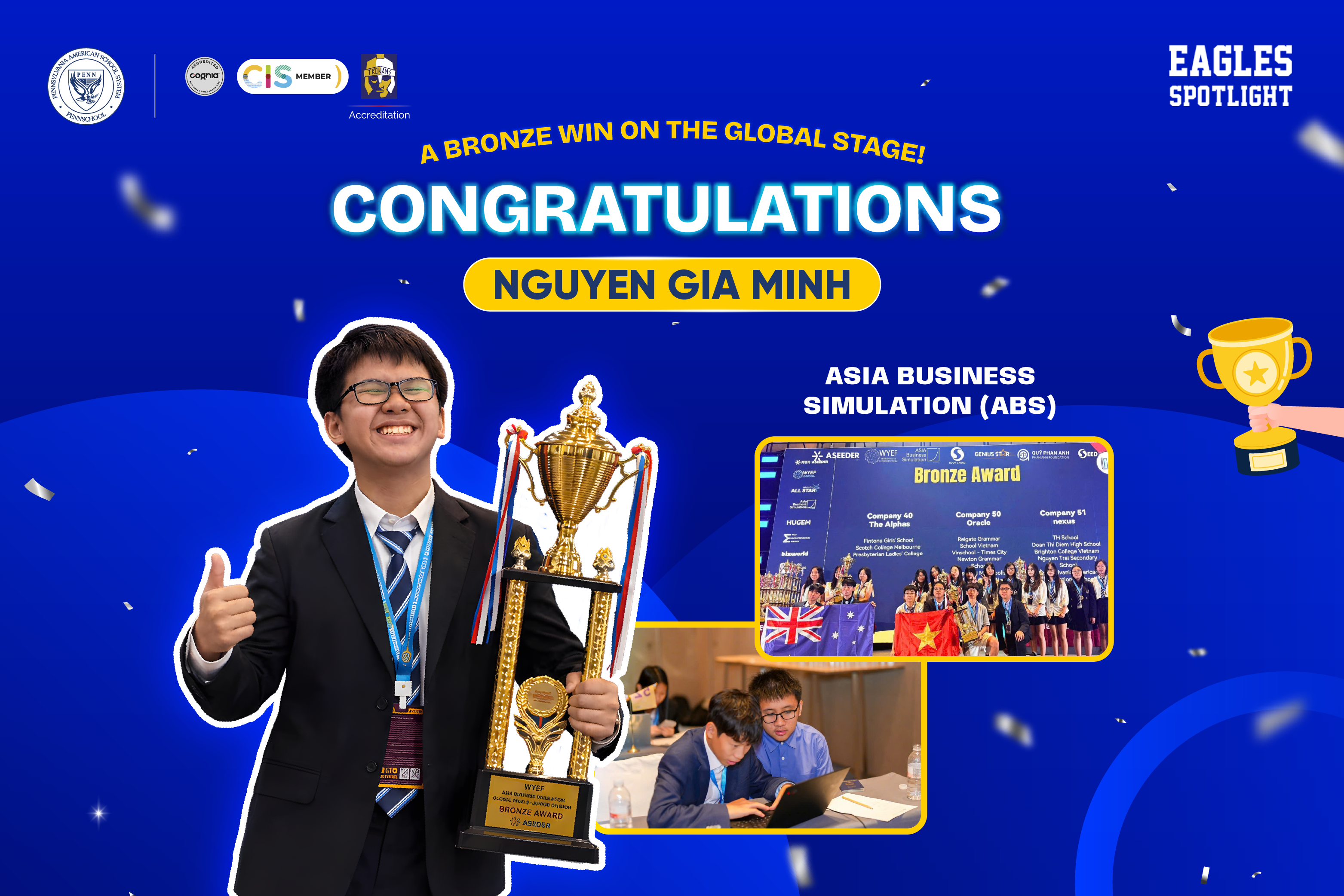
It looks like taking part in events such as Model UN, TEDxYouth@PennSchool, MasterChef competitions, and talent shows, where students put their skills into practice, explore their interests, and build confidence.
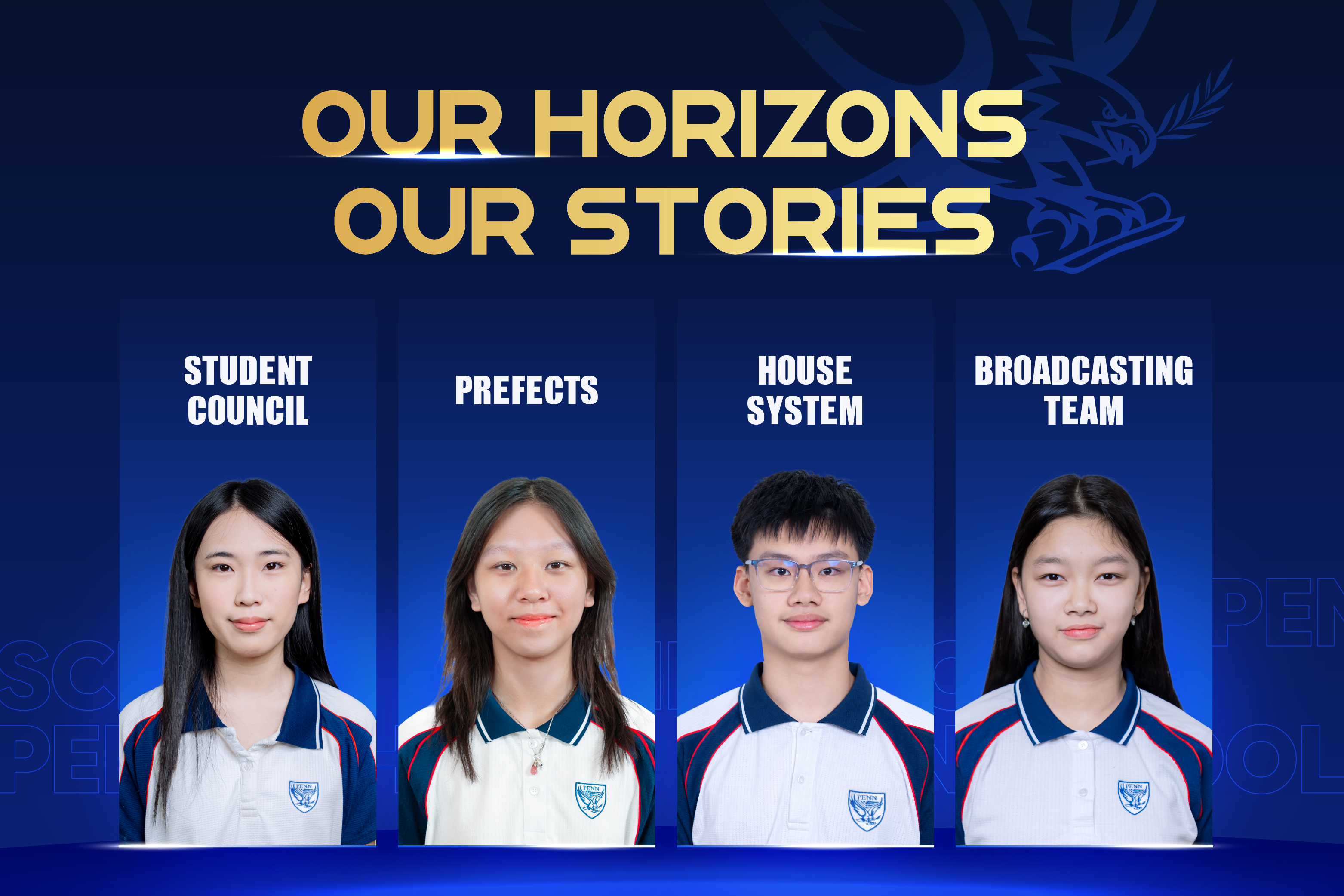
It looks like taking on leadership roles beyond the classroom, where students find their voice, learn to represent others, and take responsibility for making a positive difference in their school community.”
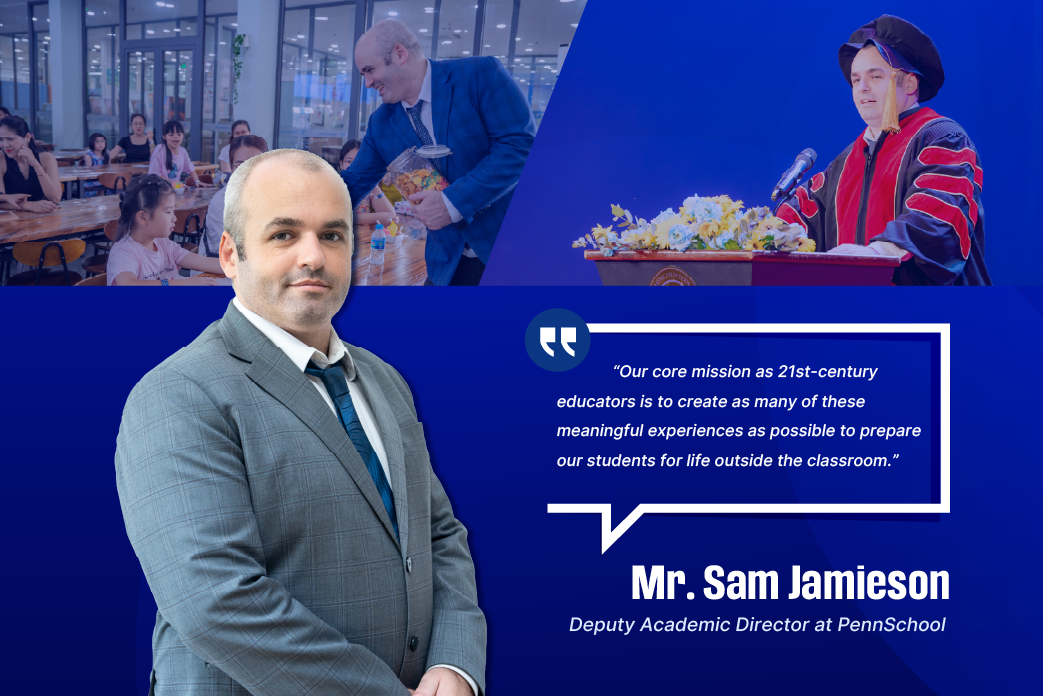
PennSchool consistently recognizes that a strong academic foundation and practical experiences go hand in hand, complementing one another throughout students’ holistic development. Further discussing this relationship, Mr. Sam shares: “Academic learning and assessment remain important, helping students to deepen their understanding, monitor and recognize their progress, and develop self-discipline and strong study habits. Alongside this, our students need opportunities to develop their ability to speak confidently and persuasively, write clearly, and research and present information effectively. These skills develop from purposeful experiences, and our core mission as 21st-century educators is to create as many of these meaningful experiences as possible to prepare our students for life outside the classroom.”
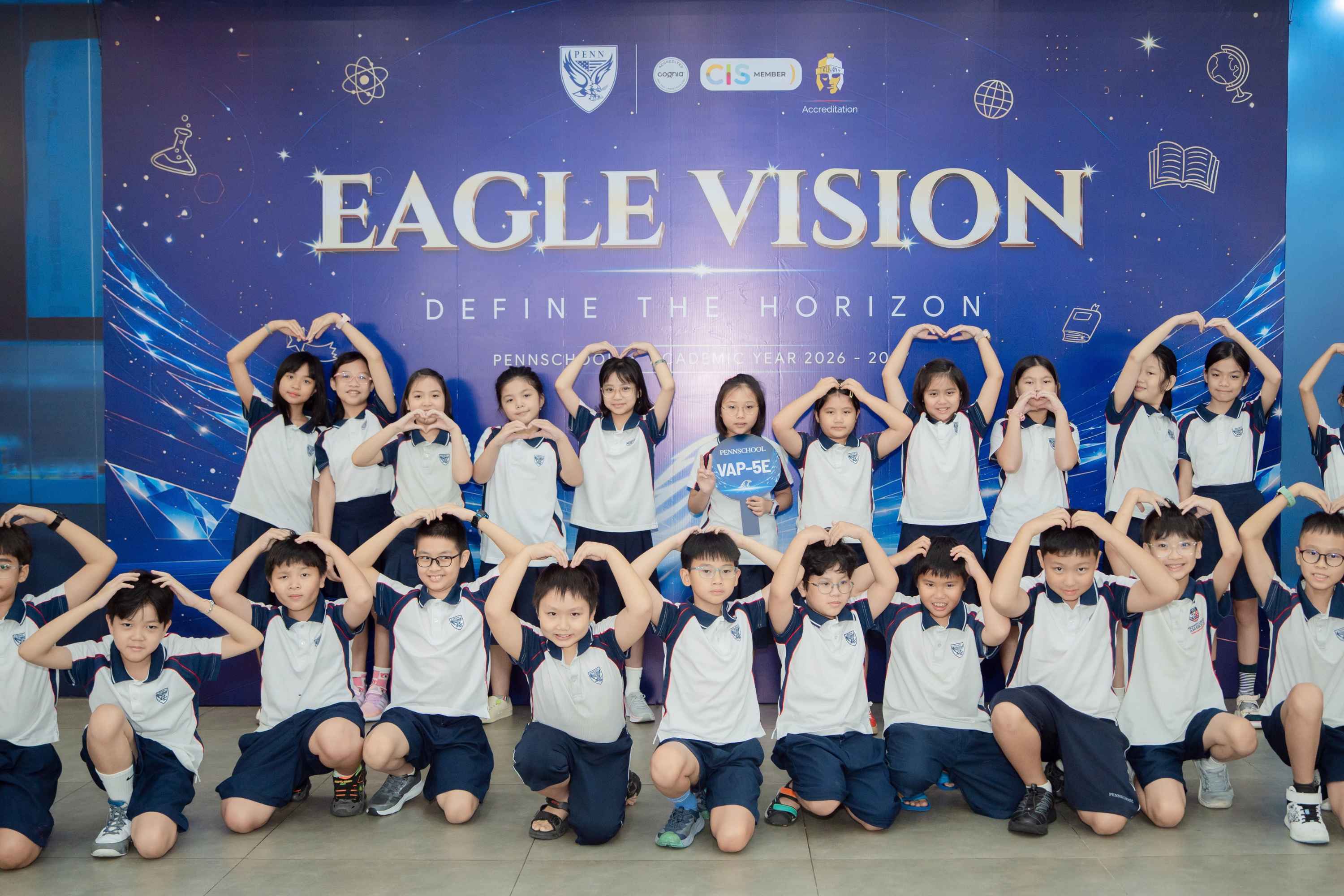
Through Mr. Sam Jamieson’s insights, it is clear that PennSchool remains committed to equipping #HomeOfTheEagles with essential skills through purposeful learning experiences. By combining a strong academic foundation rooted in an advanced American educational approach with a diverse range of experiential activities, PennSchool not only empowers students to take ownership of their learning but also nurtures their confidence, initiative, and adaptability, preparing them to explore their potential and embrace future challenges.